

NEW YORK: Devastating news from Asia from last week teaches a huge lesson to average Americans, and let’s discuss it today.
As we reported this week, three cyclones washed out 3-4 countries in Asia, including Indonesia, Thailand, Sri Lanka and Northern Malaysia. More than 1100 people are reportedly dead, and hundreds are missing. Some areas have not been accessible for days and probably will not be for a week by tomorrow. Countries like Sri Lanka went dark as their grid was down along with the mobile networks. The water supply also went completely down for a week or so. Still, power, water and mobile networks are down for some areas, and it will take more time to restore them completely.
In Sumatra, Indonesia, the situation was the same or worse. People were buried without hope of ever being recovered for a proper goodbye. That is common among all those nations. Even though they deployed military and all available assets, search and rescue, disaster relief and essential service recoveries are extremely challenging. At least 4 countries have already been involved in Sri Lanka’s HADR missions. No less than 4 warships of India and Pakistan, including the INS Vikrant aircraft carrier with helicopters, were there when Sri Lanka was hit, and they actively offered help.
Hurricanes vs Tropical Cyclones
So, let’s compare these three tropical cyclones and their scales with hurricanes that the US experiences annually. Those three cyclones, Ditwah, Koto and Senyar, aren’t even categorised as Cat 1 hurricanes. Their average recorded wind speed was just 45 mph.
Hurrican categories and their windspeed ranges
| Category | U.S. Sustained Wind Speed (mph) | U.S. Classification | Ditwah’s Speed (Approx.) |
| Tropical Storm | 39 – 73 mph | Tropical Storm | 40–45 mph |
| 1 | 74 – 95 mph | Hurricane | |
| 2 | 96 – 110 mph | Hurricane | |
| 3 | 111 – 129 mph | Major Hurricane | |
| 4 | 130 – 156 mph | Major Hurricane | |
| 5 | 157 mph or higher | Major Hurricane |
A combination of reasons caused a significantly high death toll in Ditwah compared to average hurricane deaths in the US, despite American hurricane weather being extremely violent compared to what Asia experienced.
What are the possible things that the US is doing better than Asia
- The US early warning system and weather monitoring system are extremely reliable despite the US being a continent-sized country with a very wide collection of climate zones.
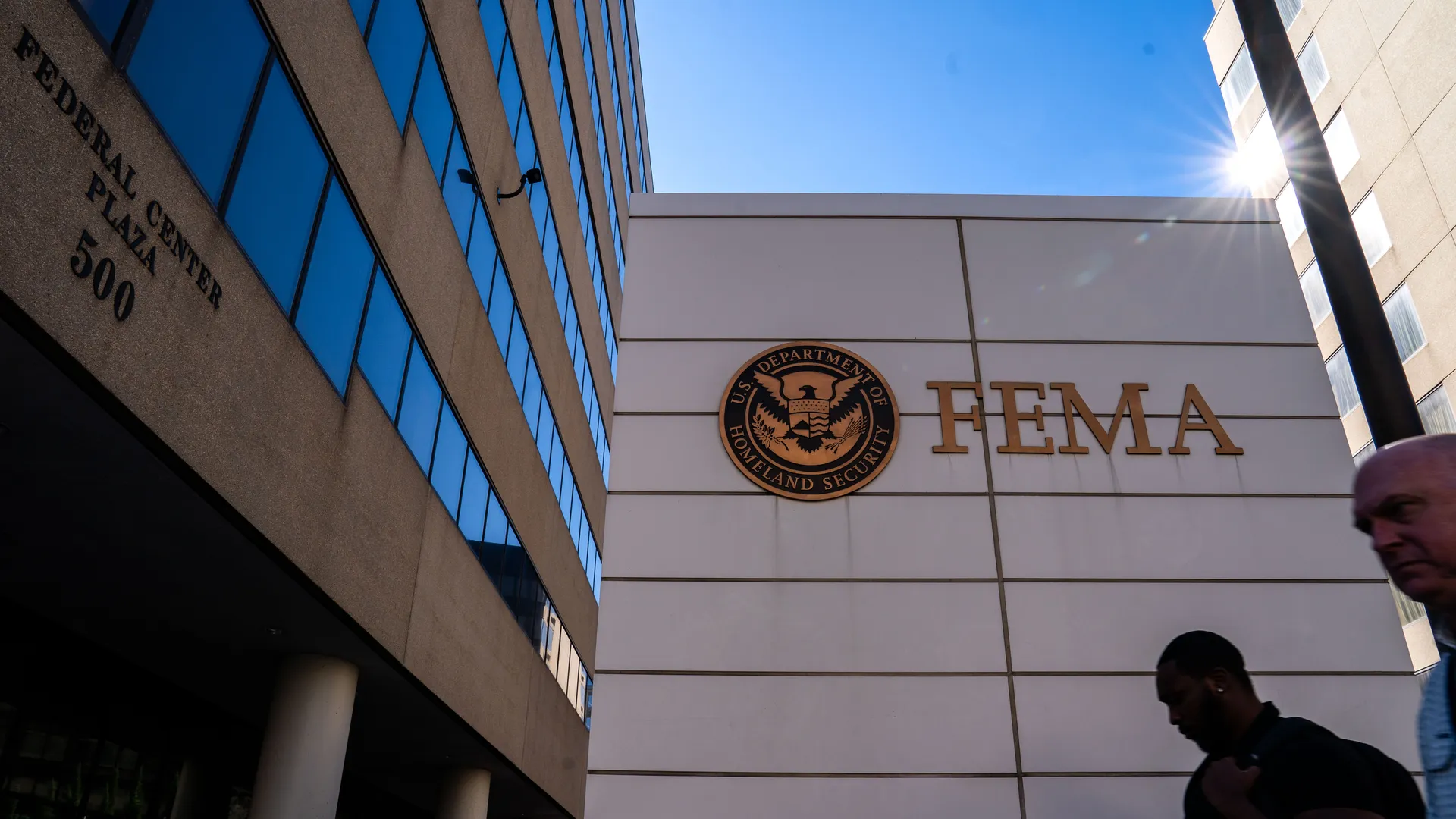
- The US agency for disaster management, FEMA, does have a very efficient system to get people to respond to their warnings. Early warnings had been issued since the 12th of November 2025, and several news outlets reported the upcoming situation with accurate numbers on 23-27 Nov 2025 on Asia’s recent events. But their efficiency in preparation doesn’t seem as good as it should be. Being proactive is a blessing, and it comes with a curse of labelling fear-spreaders.
- The US emergency response assets are rich and organised. Also the backup system in case of failure is also stronger than anyone else’s.
- The American infrastructures are much better than anyone else’s in the world; they reduce the risk of losing lives in matters of natural disaster.
Recent major hurricanes in US mainland
| Hurricane (Year) | U.S. Landfall Category (Max Wind Speed) | U.S. Mainland Death Toll (Direct & Indirect) | Major Affected U.S. Mainland Land Area |
| Ian (2022) | Category 4 (150 mph) | approx 156 total fatalities | Florida (especially the Southwest and Central regions), South Carolina, and North Carolina. |
| Milton (2024) | Category 4 (155 mph) (Highest winds at landfall) | Data is emerging, but reports indicate a lower toll than Helene and Ian, likely less than 50. | Florida (especially the southwestern and western coast), Georgia, South Carolina. |
| Helene (2024) | Category 4 (140 mph) | approx 252 total fatalities (Deadliest on mainland since Katrina) | Florida (Big Bend region), North Carolina (major damage), South Carolina, Georgia, Tennessee, Virginia. |
| Ida (2021) | Category 4 (150 mph) | approx 107 total fatalities | Louisiana (especially the coast and New Orleans area), Mississippi, Alabama, and extensive flooding damage up through the Northeastern U.S. (e.g., New York, New Jersey, Pennsylvania). |
| Zeta (2020) | Category 3 (115 mph) | approx 6 total fatalities | Louisiana, Mississippi, Alabama, and storm-related impacts up to the Carolinas and Mid-Atlantic. |
| Idalia (2023) | Category 3 (125 mph) | approx 12 total fatalities | Florida (Big Bend region), Georgia, South Carolina, and North Carolina. |
Does anyone bother to appreciate being a US citizen and the value that you received as a human just because of being an American citizen or even a resident? Multi-dimensional care that an American citizen receives in any kind of emergency is one of the greatest privileges a human can ever enjoy on planet Earth since the ages of mankind. Most Americans used to take that for granted. This is a wake-up call from WestVU to appreciate what the United States of America offers for its people.